Introduction
In today's fast-paced world, effective communication is paramount. As businesses and individuals alike look for more efficient ways to connect, Voice over Internet Protocol (VoIP) phones have emerged as a popular choice. So, what exactly are VoIP phones? In simple terms, they allow voice communication over the internet instead of traditional phone lines. This revolutionary technology has transformed how we think about making calls.
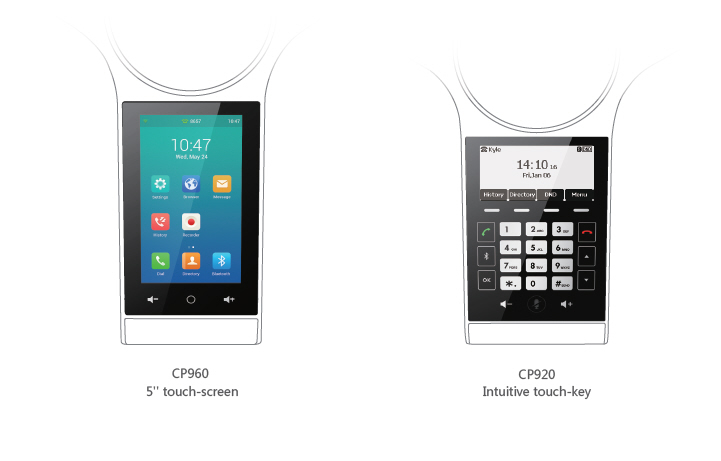
As you dive deeper into the realm of VoIP, you'll discover that there are various types of VoIP phones available on the market today. Each type has its own unique features, benefits, and use cases. In this comprehensive guide, we will explore Understanding the Different Types of VoIP Phones Available, breaking down everything from basic desktop models to advanced wireless options.
What Are VoIP Phones?
VoIP phones are devices that enable voice communications to be transmitted over the internet. Unlike traditional telephones that rely on public switched telephone networks (PSTN), VoIP phones convert your voice into digital data packets and send them via internet protocols. This results in clearer calls and often lower costs.
How Do VoIP Phones Work?
The mechanics behind VoIP phones may sound complex, but they can be boiled down to a few key processes:
Voice Conversion: When you speak into a VoIP phone, your voice is converted into digital signals. Data Transmission: These digital signals are sent over the internet using IP protocols. Receiving End: At the receiving end, another VoIP device converts those signals back into audible voice so that the recipient can hear your message clearly.Key Advantages of Using VoIP Phones
- Cost-Effective: Often cheaper than traditional landlines. Flexibility: Use it anywhere with an internet connection. Additional Features: Many come with features like call forwarding, voicemail-to-email, and video conferencing.
Types of VoIP Phones
When discussing Understanding the Different Types of VoIP Phones Available, it’s important to differentiate between the various types based on their functionality and design.
1. Analog Telephone Adapters (ATAs)
Analog Telephone Adapters bridge traditional analog telephones with VoIP service providers.
Features
- Allows traditional phones to connect to a VoIP network Simple plug-and-play installation
Use Cases
Ideal for users who wish to retain their existing analog phones while switching to a modern communication system.
2. IP Phones
These phones are specifically designed for use with IP-based networks. They come in various forms:
a. Desk Phones
Desk phones resemble traditional office telephones but utilize IP technology.
Benefits
- High-quality audio Often equipped with additional features like speakerphone and multiple lines
b. Wireless IP Phones
Wireless IP phones offer flexibility without being tethered to a desk.
Benefits
- Great for environments where mobility is essential Allow users to roam freely within range of their Wi-Fi network
3. Softphones
Softphones are software applications installed on computers or mobile devices that allow users to make calls over the internet using their existing hardware.
Advantages
- Cost-effective since they don’t require additional hardware Easy integration with other software tools like CRM systems
4. Video Phones
Video phones combine voice calling with video capabilities, enhancing communication through visual interaction.
Benefits
- Useful for remote teams or personal connections Often include features such as screen sharing
Comparing Different Types of VoIP Phones
When selecting a type of VoIP phone, it helps to compare their functionalities side-by-side:
| Type | Cost | Mobility | Features | |--------------------------|-----------|-------------------|-------------------------| | Analog Telephone Adapters | Low | None | Basic calling | | Desk IP Phones | Medium | Limited | Multi-line support | | Wireless IP Phones | Medium | High | Portability | | Softphones | Low | High | Integrated software tools| | Video Phones | High | Limited | Video calling capability |
Choosing the Right Type of VoIP Phone
Understanding your specific needs is crucial when deciding which type of VoIP phone suits you best.
1. Assess Your Communication Needs
Ask yourself:
- How often do I make calls? Do I need mobility? Will I benefit from video capabilities?
2. Consider Your Budget
Different types come at different price points; assess what works for your financial plan:
- Analog adapters tend to be affordable. Advanced options like video phones may require a higher investment but provide significant benefits.
3. Evaluate Additional Features
Do you need call recording? Conference calling? Make sure you choose a device that aligns with your requirements.
Top Brands Offering Diverse Options in VoIP Phones
When exploring Understanding the Different Types of VoIP Phones Available, you'll encounter several reputable brands known for their quality products:
1. Cisco Systems
A leader in networking technology; Cisco offers robust desk and wireless IP phones suitable for both businesses and individual users.
2. Avaya Inc.
Renowned for its enterprise solutions; Avaya provides various high-quality IP telephony options focusing on business communications.
3. Polycom (Now part of Poly)
Known for superior audio quality; Polycom specializes in conference room solutions with advanced video capabilities integrated into their offerings.
4. Grandstream Networks
This brand delivers cost-effective solutions, especially favored by small businesses looking for reliable performance without breaking the bank.
FAQ Section
Q1: What is required for using a VoIP phone?
A1: To use a VoIP phone, you'll need an internet connection (preferably broadband), a compatible device (like an ATA or IP phone), and service from a reliable provider offering VoIP services.
Q2: Can I use my existing phone number with a new VoIP service?
A2: Yes! Most providers allow you to port your existing number over without any hassle during setup.
Q3: Is call quality better on VoIP compared to traditional lines?
A3: Many users find that clarity improves significantly due to reduced background noise and better signal processing techniques used in modern systems!
Q4: Are there any recurring fees associated with using VoIP services?
A4: While initial setup may be low-cost or even free depending on promotions offered by providers, most will charge monthly fees based on usage or feature sets chosen by customers—always check before signing up!
Q5: Can I use my smartphone as a softphone?
A5: Absolutely! Many apps are available across all major platforms allowing smartphones/tablets access via Wi-Fi/cellular data enabling seamless connectivity wherever convenient!
Q6: What happens if my internet goes down?
A6: If your internet fails so does your ability contact someone affordable VoIP phones Chico via a Voip service—it’s advisable always have alternative methods ready just in case!
Conclusion
In conclusion, understanding VoIP Phones the different types of VoIP phones available empowers consumers and businesses alike in making informed decisions about their communication needs. Whether you’re opting for an analog telephone adapter or investing in high-tech video conferencing equipment, each option caters uniquely based on individual preferences and requirements outlined throughout this article—ensuring everyone finds something suited perfectly!
So go ahead—explore these innovative solutions designed around efficiency while embracing modern technology today! The future awaits!