Introduction: Keeping Your Communication Secure
In a world where communication is increasingly digital, businesses are leaning more heavily on Voice over Internet Protocol (VoIP) phones. These innovative tools have revolutionized the way we connect, providing users with the ability to make calls over the internet instead of traditional phone lines. However, with great power comes great responsibility—particularly when it comes to security.
As organizations embrace VoIP technology, they must also navigate the complexities of securing their communications. One of the most critical aspects often overlooked is the importance of regular updates for VoIP phones. So why exactly does keeping your VoIP systems up-to-date matter? Let’s dive into this adventurous journey exploring The Importance of Regular Updates in Securing Your VoIP Phones.
VoIP Phones: A Brief Overview
What are VoIP Phones?
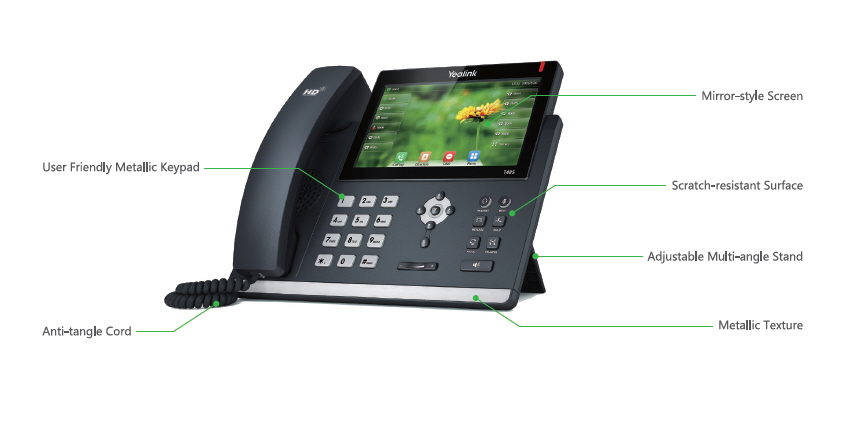
VoIP phones are devices that allow users to make voice calls using an internet connection rather than a traditional phone line. They convert voice signals into data packets and transmit them over the web. This technology not only reduces costs but also enhances flexibility.
How Do VoIP Phones Work?
VoIP technology utilizes several protocols to compress and transmit audio data, including SIP (Session Initiation Protocol) and RTP (Real-Time Protocol). Essentially, your voice travels as data over the network, allowing for clearer calls and additional features like video conferencing and instant messaging.
The Rise of VoIP Technology
VoIP has surged in popularity due to its cost-effectiveness and advanced capabilities. Businesses ranging from small startups to large corporations have embraced this technology. But what about security?
Understanding Security Vulnerabilities in VoIP Systems
Common Threats Facing VoIP Phones
While VoIP offers numerous advantages, it also exposes users to unique security vulnerabilities such as:
- Eavesdropping: Unauthorized parties can intercept calls. Spam Over Internet Telephony (SPIT): Similar to email spam but targeting voice communication. Denial of Service (DoS) Attacks: Attackers can overwhelm your system, making it unavailable.
Why Are VoIP Systems Targeted?
Cybercriminals often target VoIP systems due to their relatively weak security compared to traditional telephony systems. With financial gain in mind, hackers exploit these vulnerabilities for fraud or data theft.
The Importance of Regular Updates in Securing Your VoIP Phones
Regular updates play a pivotal role in safeguarding your VoIP system against threats. Software developers continually release patches and improvements that address known vulnerabilities. By failing to update your devices regularly, you leave them susceptible to attacks that could compromise sensitive information.
What Happens During an Update?
When you update your VoIP software or firmware, you're usually installing:
- Security patches: Fixes for known vulnerabilities. Performance enhancements: Improvements that ensure smoother operation. New features: Additions that may improve user experience or functionality.
How Frequent Should Updates Be?
It’s essential to stay informed regarding available updates from your manufacturer or service provider. Ideally, you should aim for monthly checks or set up automatic updates whenever possible.
Best Practices for Updating Your VoIP Phones
To maintain robust security standards for your VoIP system, consider implementing these best practices:
Establish a Regular Update Schedule
Create a calendar reminder for checking updates at least once a month. Don't let time slip away; proactive management is key!
Enable Automatic Updates
Wherever possible, enable automatic updates so you don’t miss critical patches even if you're preoccupied with other tasks.
Train Employees on Update Procedures
Ensure that all employees understand the importance of software updates and how they can check for pending updates on their devices.
The Risks of Neglecting Updates
Neglecting regular updates can lead your organization down a precarious path filled with risks:
Increased Vulnerability
Failing to update leaves exploitable gaps that hackers can leverage to infiltrate your system.
Financial Loss
Data breaches resulting from outdated systems can lead to significant financial repercussions, including fines and legal fees.
Damage to Reputation
A compromised communication system not only affects operations but could also tarnish your brand's reputation among clients and stakeholders.
Understanding Firmware vs Software Updates
What is Firmware?
Firmware refers specifically to software programmed directly into hardware devices—like your VoIP phone's operating system—that controls how they operate at a fundamental level.
How Do Software Updates Differ?
Software updates usually involve applications or programs running on top of an operating system rather than altering core functions controlled by firmware.
Monitoring Network Traffic: An Additional Layer of Protection
While regular updates significantly enhance security posture, monitoring network traffic adds another layer of protection:
Why Monitor Network Traffic?
By analyzing network activity, you can detect unusual behaviors indicative of potential intrusions or attacks targeting your VoIP phones.
Tools for Traffic Monitoring
Several tools exist specifically designed Continue reading for monitoring network traffic such as Wireshark and Snort. Implementing these tools allows you to spot anomalies early on so that corrective actions can be taken swiftly.
Implementing Strong Password Policies
In addition to regular updates, strong password policies bolster security measures surrounding your VoIP systems:
Best Practices for Password Creation
Encourage employees to create complex passwords using combinations of letters, numbers, and special characters while avoiding easily guessed information like birthdays or common phrases.
Changing Default Passwords
Many manufacturers provide default passwords that are easily accessible online; change these immediately upon setup!
Using Encryption Technologies
Encryption plays a vital role in securing communications transmitted via VoIP:
What is Encryption?
Encryption scrambles data transmissions so unauthorized individuals cannot read them without proper keys or passwords—ensuring confidentiality even if intercepted during transmission.
Types of Encryption Protocols
Common encryption protocols include Secure Real-Time Transport Protocol (SRTP) and Transport Layer Security (TLS), which work together effectively within various environments ensuring secure communications across platforms seamlessly!
Integrating Multi-Factor Authentication (MFA)
Multi-factor authentication adds another layer by requiring users not only passwords but also secondary verifications—typically through something they possess like smartphones generating one-time codes!
This practice greatly reduces chances attackers may gain access solely relying on stolen credentials alone!
FAQs About Securing Your VoIP Phones
Why are regular updates essential?- Regular updates patch known vulnerabilities and improve overall performance while adding new features enhancing usability!
- Outdated systems are vulnerable eavesdropping attacks spam targeting voice calls denial-of-service intrusions leading significant disruptions compromising sensitive user information possibly!
- Monthly checks recommended! Automate checks whenever feasible ensuring timely installations minimizing exposure risks promptly!
- Absolutely! Encryption safeguards sensitive information ensuring confidentiality maintaining trustworthiness between communicating parties undoubtedly strengthening overall defenses against potential breaches!
- Yes through careful management applying current best practices updating firmware/software diligently while enforcing robust password policies alongside monitoring network activity adequately ensuring safety despite aging equipment challenges faced ahead!
Conclusion: The Adventure Continues
In conclusion, navigating the world of VoIP phones requires a diligent approach toward securing communications through regular updates alongside implementing complementary strategies like encryption strong passwords multi-factor authentication! As cyber threats evolve staying ahead demands vigilance proactive measures remain paramount protecting valuable assets enhancing organizational resilience assuring uninterrupted connectivity between teams customers alike fostering growth success moving forward exciting adventures await those equipped ready tackle challenges arise confidently knowing they’ve fortified foundations securely standing strong together future endeavors lie ahead boldly embracing possibilities unfold around every corner!
This VoIP Phones article provides comprehensive insights into securing your organization’s communication infrastructure through regular maintenance practices emphasizing vigilance importance safeguarding integrity reliability interactions crucial today tomorrow always!